Semua Episode
Terbaru
See More
Semua
Season 1
Jannah Firdaus Mediapro Podcast Season 1
new content badge
play icon

0

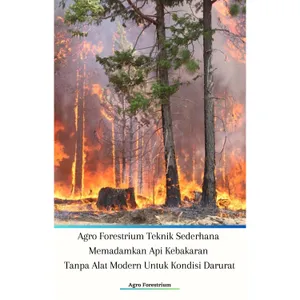
Agro Forestrium Teknik Sederhana Memadamkan Api Kebakaran Tanpa Alat Modern Untuk Kondisi Darurat Podcast Ver

Agro Forestrium Teknik Sederhana Memadamkan Api Kebakaran Tanpa Alat Modern Untuk Kondisi Darurat Podcast Ver

Jannah Firdaus Mediapro Podcast

Di lingkungan perkotaan yang sangat rapat, jarak antar bangunan yang minim mempermudah perambatan api melalui radiasi panas, sementara akses jalan yang sempit seringkali menghambat mobil pemadam kebakaran untuk mencapai titik api dengan cepat. Sinergi antara beban listrik yang berlebih, kelalaian dalam aktivitas rumah tangga, dan perencanaan kota yang kurang ideal menciptakan risiko kebakaran yang kompleks di masa sekarang. Teknik sederhana memadamkan api tanpa alat modern adalah sebuah manifestasi dari kecerdasan manusia dalam memanfaatkan hukum fisika dasar dan material di lingkungan sekitar untuk menetralisir ancaman api dalam kondisi darurat. Secara esensial, metode ini berfokus pada manipulasi elemen dalam “segitiga api” — panas, bahan bakar, dan oksigen — menggunakan pendekatan manual yang bersifat taktis dan responsif. Alih-alih mengandalkan teknologi mesin atau bahan kimia pabrikan, teknik ini mengandalkan ketersediaan sumber daya alam seperti tanah, pasir, air, hingga material tekstil yang dibasahi. Inti dari definisi ini adalah kemampuan untuk bertindak cepat dengan alat seadanya guna mengisolasi api agar tidak bertransformasi menjadi kebakaran besar yang destruktif, menjadikannya sebuah keterampilan bertahan hidup yang krusial di wilayah yang minim akses terhadap fasilitas pemadam kebakaran profesional. Secara prosedural, teknik ini menerapkan prinsip-prinsip pemadaman elegan seperti smothering (penyelimutan) dan cooling (pendinginan) melalui aksi fisik yang terukur. Sebagai contoh, penggunaan kain goni basah atau tanah bekerja dengan cara memutus suplai oksigen secara instan, sementara penggunaan dahan pohon hijau memanfaatkan kelembapan alami untuk menurunkan suhu bara api melalui aksi mekanis. Keanggunan dari teknik ini terletak pada kesederhanaannya; ia tidak memerlukan pelatihan teknis yang rumit namun menuntut ketenangan dan ketepatan posisi saat menghadapi risiko. Dalam narasi keselamatan modern, teknik darurat ini dipandang sebagai lini pertahanan pertama yang bersifat organik, yang meskipun sederhana, mampu menyelamatkan nyawa dan harta benda dengan cara mengubah benda-benda biasa di sekitar kita menjadi tameng pelindung yang efektif melawan amukan jago merah.
13 Menit
CheckAdd to QueueDownload
play icon

1

dot icon

1 bulan lalu

Agro Forestrium Simple Daily Therapy That Help Relieve Stress & Depression plus Speed Up Mental Health Recovery Podcast Ver

Agro Forestrium Simple Daily Therapy That Help Relieve Stress & Depression plus Speed Up Mental Health Recovery Podcast Ver

Jannah Firdaus Mediapro Podcast

Individuals enduring chronic mental strain often experience severe sleep disturbances, ranging from insomnia to hypersomnia, which further drains physical resilience. When combined with a common tendency toward poor nutritional choices, physical inactivity, or substance reliance as coping mechanisms, the body’s overall vitality rapidly deteriorates, transforming mental suffering into a complex, multi-system physical illness. Simple daily practices for mental health recovery are small, intentional actions integrated into your routine that actively lower cortisol, stabilize mood, and stimulate the brain’s natural healing processes. Rather than demanding massive lifestyle overhauls, these habits focus on consistency and accessibility. They include foundational behaviors like mindful breathing, short walks in nature, regular sleep schedules, and nourishing the body with whole foods. By engaging in these manageable acts, you systematically shift your nervous system out of a chronic “fight-or-flight” survival mode and into a state of rest, repair, and emotional recalibration. The true power of these daily rituals lies in their ability to compound over time, effectively rewiring neural pathways and accelerating mental health recovery. Practicing gratitude, engaging in brief physical movement, or reaching out for a brief social connection triggers the release of neurochemicals like dopamine and serotonin. These micro-moments of relief act as a counterweight to the erosion caused by stress and depression, gradually restoring cognitive function and emotional resilience. Ultimately, these practices transform mental wellness from an abstract, distant goal into a tangible, self-directed daily reality.
24 Menit
CheckAdd to QueueDownload
play icon

2

dot icon

5 bulan lalu

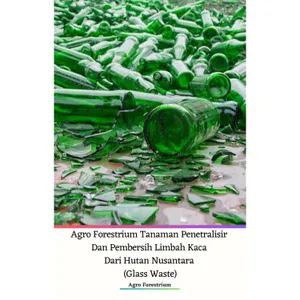
Agro Forestrium Tanaman Penetralisir Dan Pembersih Limbah Kaca Dari Hutan Nusantara (Glass Waste) Podcast Version

Agro Forestrium Tanaman Penetralisir Dan Pembersih Limbah Kaca Dari Hutan Nusantara (Glass Waste) Podcast Version

Jannah Firdaus Mediapro Podcast

Limbah kaca atau Glass Waste merupakan material kaca yang sudah tidak terpakai, pecah, atau menjadi sisa produksi yang dibuang karena tidak lagi memiliki nilai guna bagi pemiliknya. Secara teknis, kaca adalah material anorganik padat yang dibuat melalui proses peleburan campuran pasir silika, soda abu, dan batu kapur pada suhu yang sangat tinggi. Karakteristik utama limbah ini adalah sifatnya yang non-biodegradable, artinya kaca tidak dapat diuraikan oleh mikroorganisme di alam meskipun terkubur selama ribuan tahun. Limbah kaca yang tidak dikelola dengan benar menyimpan risiko fisik yang signifikan terhadap keselamatan manusia dan hewan di lingkungan sekitar. Bahaya paling nyata berasal dari sifat mekanisnya; pecahan kaca memiliki tepian yang sangat tajam dan tidak mudah tumpul meskipun terpapar cuaca dalam waktu lama. Di area permukiman atau fasilitas umum, pecahan botol, cermin, atau kaca jendela yang berserakan dapat menyebabkan luka sayat dalam, laserasi, hingga pendarahan hebat bagi pejalan kaki atau petugas kebersihan yang tidak menggunakan alat pelindung diri yang memadai. Selain itu, limbah kaca yang menumpuk di lahan terbuka dapat bertindak sebagai lensa sferis. Melalui efek teodolit atau konsentrasi cahaya matahari, serpihan kaca bening dapat memfokuskan panas ke titik tertentu pada material mudah terbakar seperti daun kering atau plastik, yang berpotensi memicu kebakaran hutan atau lahan secara spontan di musim kemarau. Dari perspektif kesehatan masyarakat dan ekosistem, limbah kaca menimbulkan ancaman jangka panjang yang bersifat tidak langsung namun berbahaya. Karena sifatnya yang anorganik dan tidak dapat terurai (non-biodegradable), botol atau wadah kaca yang terbuang di selokan atau lahan kosong seringkali memerangkap air hujan, menciptakan genangan air statis yang menjadi sarang ideal bagi nyamuk Aedes aegypti untuk berkembang biak, sehingga meningkatkan risiko penyebaran penyakit demam berdarah (DBD) yang cepat menular.
12 Menit
CheckAdd to QueueDownload
play icon

0

dot icon

5 bulan lalu

Agro Forestrium Ancient Herbal Medicine From South Korea The Land of Morning Calm For Mental Health Healing & Depression Podcast Version

Agro Forestrium Ancient Herbal Medicine From South Korea The Land of Morning Calm For Mental Health Healing & Depression Podcast Version

Jannah Firdaus Mediapro Podcast

South Korea is most famously known as the “Land of the Morning Calm.” This poetic nickname is a back-translation of the ancient name Choson (or Joseon), where cho means “morning” and son means “fresh” or “bright.” Starting around 1000 years ago during the Goryeo Dynasty, Korean herbal medicine — known as Hanbang — began to distinguish itself from Chinese traditions by focusing on indigenous flora. This era saw the compilation of the Hyangyak Gugeupbang (Emergency Remedies using Native Drugs), the oldest surviving medical book in Korea. It shifted the focus toward Hyangyak, or “homegrown medicine,” ensuring that the common people had access to local herbs like mugwort, garlic, and wild ginseng rather than relying on expensive imported Chinese ingredients. This period established the philosophical foundation that the human body is a miniature universe, where health is maintained through the balance of Yin and Yang and the smooth flow of Qi. Monasteries and government-run dispensaries became hubs for refining these botanical formulas, treating everything from seasonal fevers to digestive issues. Around 1000 years ago during the Goryeo Dynasty, the “Land of the Morning Calm” began weaving a sophisticated tapestry of mental health care through the lens of Hanbang. In this era, the mind and body were viewed as an inseparable unity; mental distress was not seen as a purely “brain-based” issue but as a disharmony of the Five Viscera. For example, excessive grief was linked to the lungs, while anger was tied to the liver. To treat the “afflictions of the spirit,” Goryeo physicians utilized Hyangyak (native herbs) like Baekbokryeong (Poria cocos), a fungus found on pine roots known to “calm the heart and soothe the nerves.” This holistic approach was revolutionary because it focused on restoring the flow of Qi (energy) to alleviate symptoms of what we now call anxiety or depression. Rather than isolating the patient, herbal concoctions were used to stabilize the internal environment, allowing the spirit to return to a state of “Morning Calm.” The evolution of mental healing reached its sophisticated peak during the Joseon Dynasty, particularly with the 17th-century masterpiece, the Dongui Bogam. The physician Heo Jun documented extensive treatments for Hwa-byung (fire-illness), a unique Korean psychosomatic disorder caused by suppressed emotions. The primary herbal strategy involved “cooling the fire” of the heart. Formulas such as Cheongsimhwan (Clear Heart Pill), containing a complex blend of herbs including wild ginseng and dried ginger, were used to treat palpitations and emotional instability.
12 Menit
CheckAdd to QueueDownload
play icon

2

dot icon

7 bulan lalu

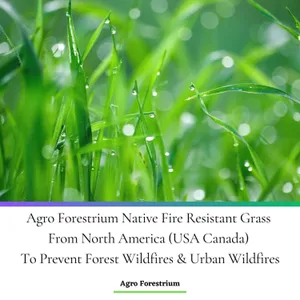
Agro Forestrium Native Fire Resistant Grass From North America (USA Canada) To Prevent Forest Wildfires & Urban Wildfires Podcast Edition

Agro Forestrium Native Fire Resistant Grass From North America (USA Canada) To Prevent Forest Wildfires & Urban Wildfires Podcast Edition

Jannah Firdaus Mediapro Podcast

Native Fire-Resistant Grass from North America (USA & Canada) to Prevent Forest and Urban Wildfires refers to naturally occurring grass species that evolved in the fire-prone landscapes of North America and possess characteristics that help reduce the intensity, speed, and spread of wildfires. These grasses are native to the United States and Canada, meaning they developed over thousands of years in balance with local climates, soils, wildlife, and natural fire cycles. Unlike invasive or highly flammable grasses, fire-resistant native grasses tend to have higher moisture content, deeper root systems, and growth patterns that do not easily carry flames. Because of these traits, they are increasingly recognized as an ecological tool for wildfire prevention rather than as fuel for fire. In forests, grasslands, and wildland–urban interface zones, native fire-resistant grasses play a quiet but important protective role. Their dense root networks stabilize soil, retain moisture, and reduce dry surface debris that often ignites during heatwaves or droughts. Many of these grasses grow in clumps or low-lying forms, creating natural breaks in fuel continuity that slow down advancing fires. When fire does occur, these grasses tend to burn at lower temperatures and recover quickly afterward, supporting ecosystem renewal without escalating into destructive megafires. This natural resilience makes them valuable allies in sustainable land and forest management across North America. In urban and suburban environments, especially near forests or open land, native fire-resistant grasses are used as living fire buffers. They are planted along roadsides, parks, green belts, and residential landscapes to reduce wildfire risk while maintaining ecological beauty. Because they are adapted to local conditions, they require less irrigation, fewer chemicals, and minimal maintenance compared to non-native ornamental plants. Beyond fire prevention, these grasses improve air quality, support pollinators, and enhance biodiversity. In this way, native fire-resistant grasses offer a simple, elegant, and nature-based solution for protecting both wild landscapes and human communities from the growing threat of wildfires.

18 Menit
CheckAdd to QueueDownload
Buka semua fitur dengan download aplikasi Noice
Kunjungi App